by Gilles Charette
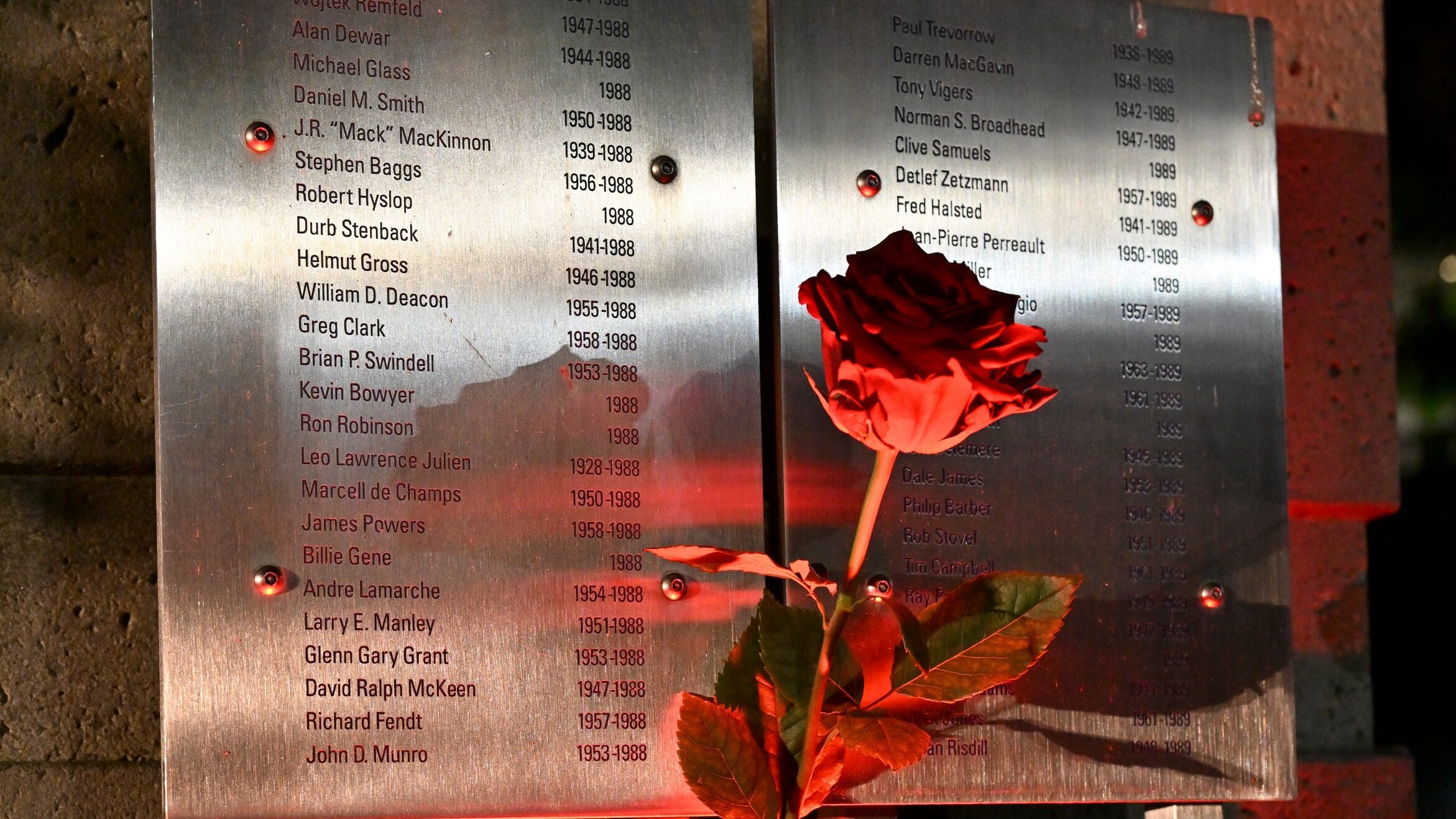
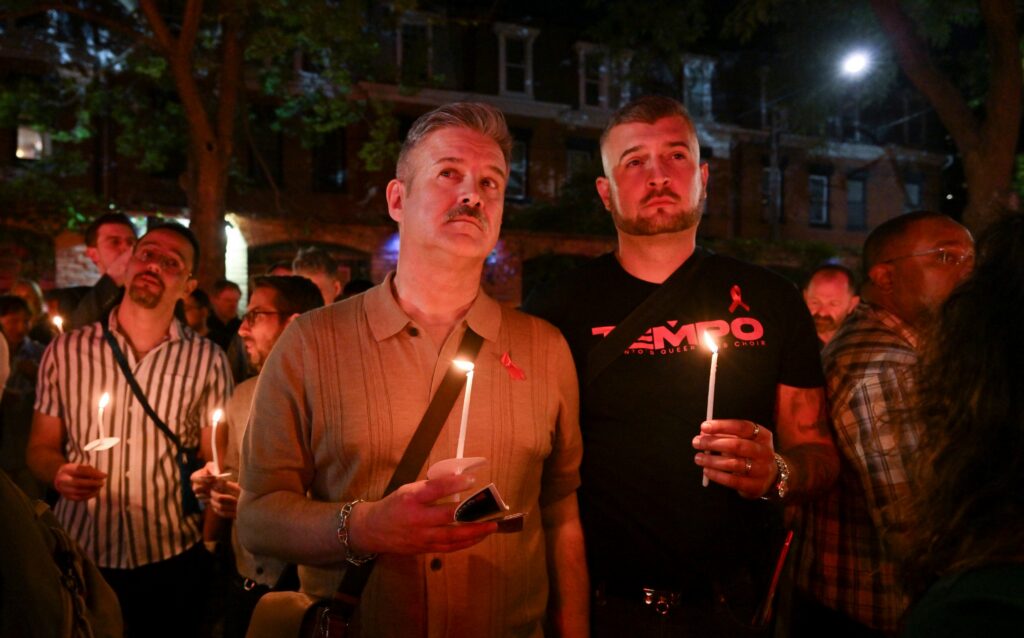
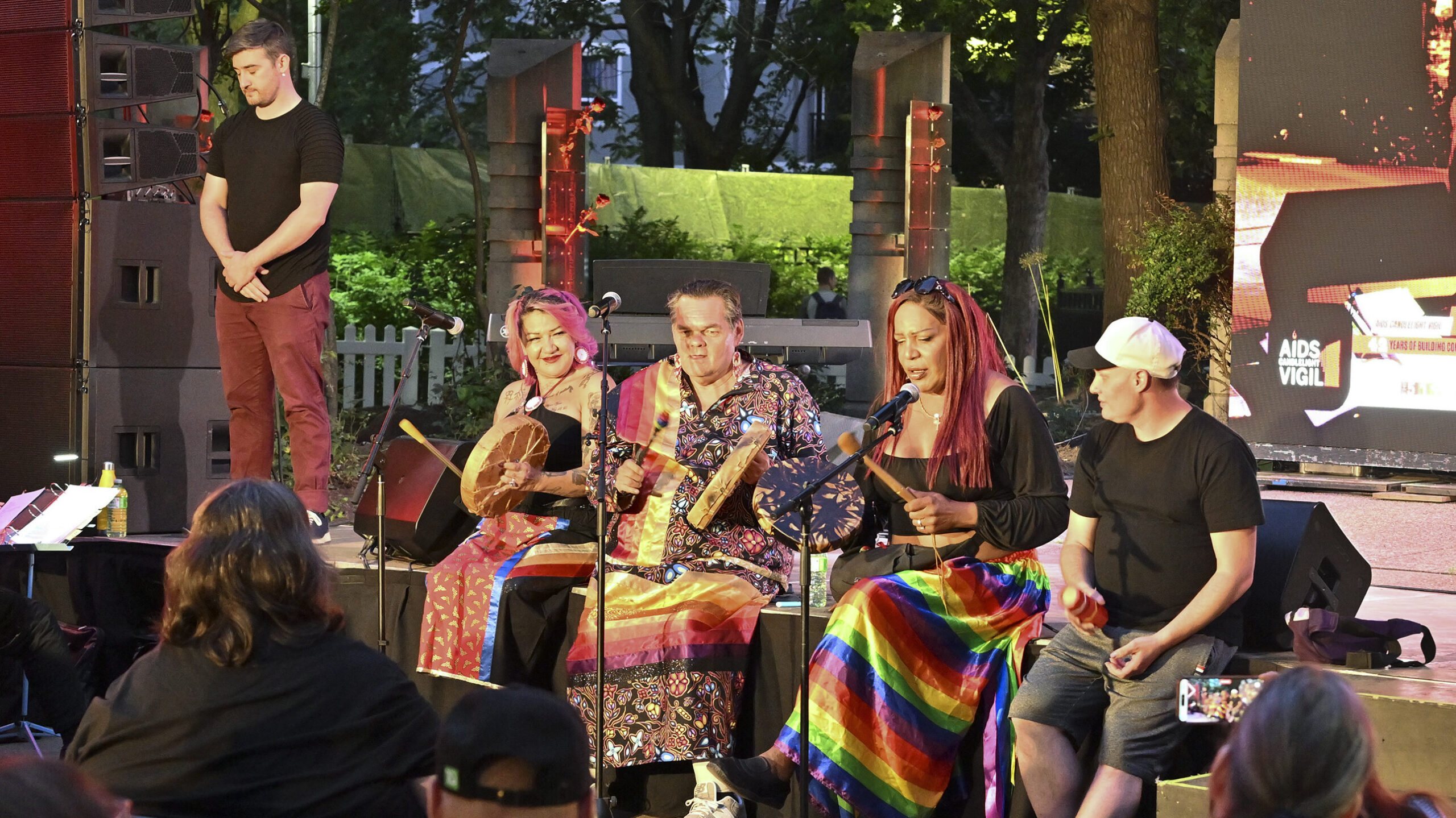
Yesterday, I attended the 42nd annual AIDS Candlelight Vigil at Barbara Hall Park in Toronto, to honour and commemorate those who have been lost to the AIDS epidemic. The vigil, which takes place on the Tuesday evening of Toronto Pride week, is organized by a committee of volunteers from AIDS service organizations and our communities. The 519 community centre serves as the trustee of the AIDS Memorial.
The evening was hosted by Canada’s Drag Race winner, Van Goth, alongside community advocate Ower Alexander Oberto. 20 names were added to the AIDS Memorial this year.

I recently attended a Celebration of Life last week for a friend whose life was cut far too soon.
Standing in the funeral home, I was struck by something that felt unusual today in 2026: being surrounded by young people mourning someone so young. The loss of a young life carries with it a particular sadness; not only for who that person was, but for everything they might have become.
For a moment, I was transported back more than 30 years, when these gatherings were heartbreakingly common. During the height of the AIDS crisis, communities came together again and again to mourn friends, lovers, and chosen family whose lives ended far too soon.
That memory stayed with me at last night’s annual AIDS Vigil at Barbara Hall Park.
So much has changed in those 30 years. Effective treatment means people living with HIV can expect long, healthy lives, and cannot transmit HIV to their sexual partners. HIV-negative people have more options than ever to protect their sexual health, including PrEP.
And yet, there is still so much work to do.

Last night’s vigil was a reminder that people continue to die from AIDS-related illnesses today. Many of these losses are preventable through equitable access to health care, mental health and substance use supports, and by confronting the stigma that continues to surround HIV. Misinformation, outdated narratives, and laws that criminalize HIV non-disclosure all contribute to barriers that keep people from getting tested, knowing their status, and accessing care.
These moments of collective grief are also moments of collective responsibility. As we remember the countless friends, lovers, chosen family members, and community members we’ve lost, we’re reminded that caring for each other is an ongoing act, and that our work is not finished.
– Gilles Charette