Calendar of Events
Explore online and in-person events happening across Ontario.
All your patients have unique, identity-based considerations relevant to their care, and their mental health. Understanding these issues can help clinicians guide patients in their healthcare decisions. Is a physical symptom pointing to an emotional problem? Are mental health factors resulting in behaviours leading to physical outcomes? How can you protect your queer male patient’s mental health while treating them?
PHAC identified 12 social determinants of health, and the CMHA identified three further determinants specific to mental health. Now queer psychotherapist Rahim Thawer has identified 12 social determinants which specifically affect gay men’s mental health, and he believes understanding them is an important part of treating clients from this community.
Harbouring an important secret that causes someone to hide vital aspects of themselves is bad for one’s mental health. Some people deal with fears they’ll be outed, and some are. Before coming out, it’s common to deal with anxiety related to an anticipated loss of home, family, and emotional support. Even if that outcome doesn’t come to fruition, the related stress is a heavy mental health burden.
Some of your patients may even currently be in the closet. Stressing the importance of doctor-patient confidentiality and focussing on behaviours rather than labels in these situations can be helpful. Some men may need care related to having sex with men, but might not identify with the label of “gay.”
Microaggressions may sound like a buzz word, but they have a complicated effect on mental health. One or two microaggressions are a minor annoyance, it’s the lifetime of them building up that has a more profound impact.
Many gay men also have a lot of experience with overt aggressions like intentional humiliation, threats, and violence. A feeling of safety and belonging is important to a person’s wellbeing. These feelings may incentivize gay men to alter their behaviour for social rewards, like taking on hypermasculine personas, or falling into trendy roles like the ‘sassy gay friend.’
Hypermasculinity can sometimes overlap with toxic forms of masculinity, which can lead to the glorification of unhealthy habits, dangerous jobs, and stigma related to the seeking of mental health support.
Some queer men may deal with shame related to their sexuality that can manifest itself in the form of secretive sex practices, problematic substance use, and mental health strains. Shame can also motivate patients to withhold information from their doctors, partners, friends, and family. Anywhere clinicians can alleviate shame can lead to more honest dialogue, and better personal and public health outcomes for this community.
Queer men often have tough relationships with their families due to their sexual orientation. They may grow up experiencing stereotyping, bullying, and violence within the home. Many cultures, including Canadian ones, have pockets of homophobia. Queer people can even find judgement and discrimination in different gay cultures, especially concerning racism, femininity, and body shaming.
Experiences like family and culture are very deeply embedded, and getting through to queer male patients with these anxieties can require cultural sensitivity. Implementing cultural sensitivity training and culturally relevant, evidence-based programming at your clinic is a great way to make healthcare settings more welcoming for these patients.
From young ages, many queer men realize, or are told they don’t fit into dominant expressions of masculinity. Some queer men have complicated feelings around the idea of what Thawer calls “failing gender,” or angst related to the fact that we can’t fit rigid, traditional molds of masculinity. There can be a very specific resentment in that feeling, manifesting itself in behaviours and physical symptoms similar to other forms of depression.
Much of mainstream gay male culture is heavily body image focussed. Gay men are often socially grouped by body type, with reverence for muscular bodies, thin bodies, husky bodies, and other physical archetypes. Your gay male patients may be more likely to use steroids, engage in disordered eating, or place an overemphasis on exercise, depending on what body related pressures they feel subjected to.
These pressures can be especially strong around Pride season, when some queer men feel pressured to have a “Pride body,” adding a layer of body image anxiety to a celebration that’s supposed to be about liberation.
Gay men’s party culture is different from straight party culture. For some members of the gay community, the party lasts longer than it does for their straight counterparts. It’s not uncommon for older gay men to continue to go to nightclubs long after their straight peers have “settled down.”
Certain party drugs like GHB and crystal meth are more prevalent among gay men, and are commonly used during sex. Both drugs can result in overdoses. Crystal meth is also highly addictive, and extended use can lead to episodes of psychosis. Long-term alcohol use can also create its own host of health issues.
Casual sex is a lot more common and accepted in gay culture, as are nonmonogamy, and hookup apps. Thawer says gay men may use casual sex to build our self-esteem, or to repair wounds of an injured masculinity. Various emotional issues related to hookup culture — rejection, feelings of exclusion, body image concerns, jealousy within open relationships, can all relate closely to this issue.
Keep in mind, while these practices are more common in gay communities, a lot of gay men are monogamous, and uninterested in casual sex. It’s best to ask about sexual behaviour with open-ended language that doesn’t contain assumptions.
Anxiety around STI’s, fear of HIV, or living with HIV can be unique mental health stressors. Sex-positive sexual health treatment is very important to queer men. Their unique relationship to sex isn’t a problem to be solved, but a cultural consideration to their treatment. They may test for STI’s or HIV more often, use PrEP or PEP, or be living with HIV. Studies show stigma can cause gay men to disengage from healthcare, so they need affirming, respectful sexual health care.
There is simply a lower population of gay men than there are straight people. That means when romantic relationships end, the fear of loss of community and pessimism about future relationships can feel amplified for gay men. If you have a gay male patient who’s taking a breakup harder than you might expect, these could be contributing factors. They may need additional mental health assistance managing these feelings.
Because of the AIDS crisis, there are a lot fewer older gay men around than there should be. That means youth is overrepresented in gay men’s culture. Getting older can be alienating for gay men. Some gay male patients may be more likely to be interested in cosmetic surgery, injections, hair transplants, or steroids to fight the effects of ageing. Guidance from their clinicians, who don’t have an agenda to sell them expensive treatments, can be valuable when patients are making these considerations.
Queer men’s life trajectories often look different from their straight peers. While many gay men get married, have kids, and buy homes, it often doesn’t happen on the same timelines. Whether in treatment, or even in doctor-patient banter, do your best not to contribute to that sense of inferiority that can come with a non-traditional life path. Don’t assume what your patient is doing, or what he wants out of life. It’s best to just ask for what you need to know.
Some parts of gay culture can be prone to boundary violations. For example, some people get confused about what physical contact is and isn’t appropriate in nightclubs. While cruising, or anonymous sex, can be a wonderful thing that some people enjoy, it also makes it difficult to hold people to account when they cause harm.
In your practice, especially where contact with sex organs is required, a gentle touch is appreciated. For example, a lot of gay men recount rectal exams where they felt the doctor jammed the scope in them haphazardly. If someone is a sexual assault survivor, situations like these can be triggering, so take care. If pain is unavoidable, show care by describing what the patient will feel, and by not appearing ambivalent about that pain.
Rahim Thawer described his theories in more detail at our conference last year. You can view that full seminar here:
Same Labels, Different Determinants
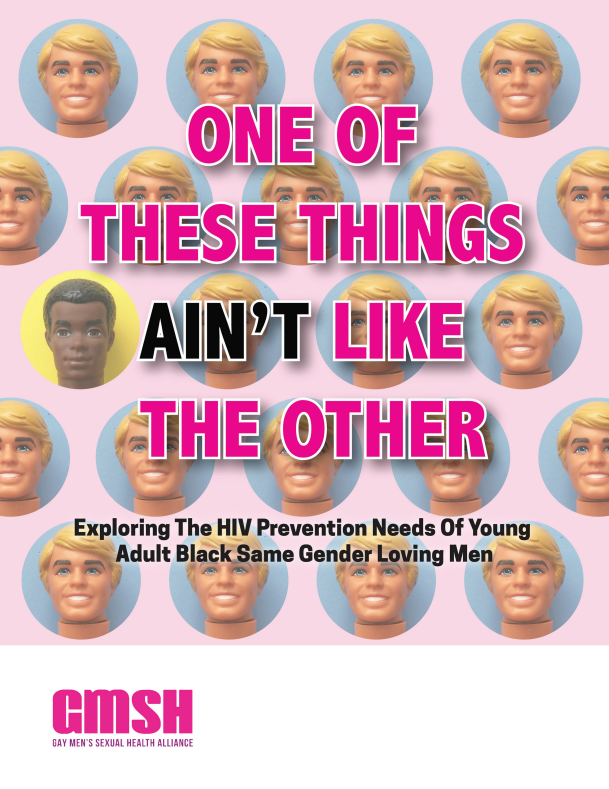
Preface The ‘One of these things ain’t like the other: Exploring the HIV prevention needs of Young Adult Black Same Gender Loving Men’ report is…
To our GMSH alliance members, It’s been over a year in the making, but your hard work and engagement in the development of The Sex…